Evening Walks Along Seng Poh Road
The hour when the heat loosens its grip and neighbours appear on their balconies like flowers turning toward the last light.
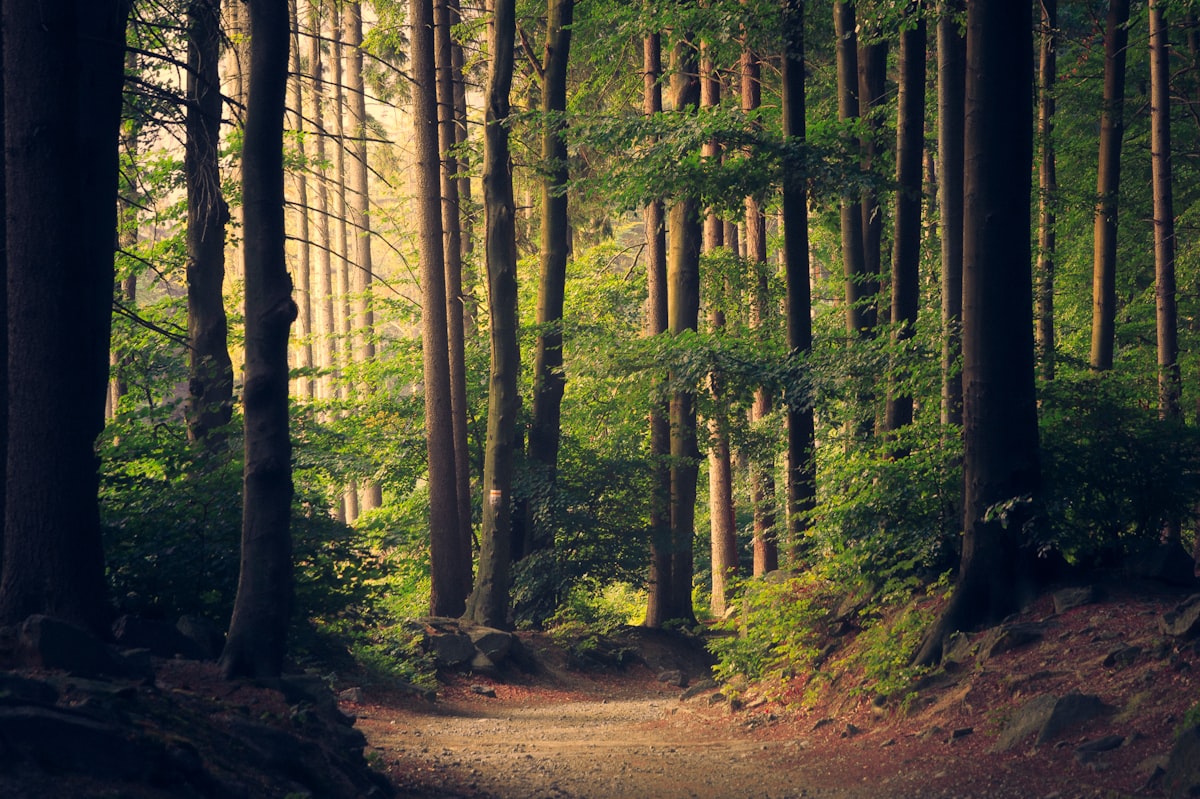
I walk the same route most evenings. Down the lift, out through the lobby, left on Seng Poh Road, past the community centre, around the block where the frangipani trees lean over the fence. Twenty-five minutes if I do not stop. Forty if I do. The variation is the point.
Singapore's evenings arrive suddenly, as if someone dimmed the sky. One moment the pavement radiates stored heat; the next a breeze carries the smell of dinner from open windows. I change out of work clothes — even when work was only the desk in the spare room — and put on shoes that do not mind sweat. The walk is not exercise in the fitness sense. It is exercise in transition: from the day's obligations to the night's rest.
The hour between
Between seven and eight, the estate changes character. Delivery riders slow down. Children ride bicycles in loops. Elderly neighbours gather on benches they claimed years ago, swapping news in mixtures of English, Mandarin, and dialect I catch only in fragments. Someone is always watering plants. Someone is always calling a cat home.
I nod to the regulars. We do not know each other's names. We know each other's timing. The uncle with the walking stick who completes exactly one lap. The woman who listens to podcasts at a volume I can hear three metres away. The pair of friends who laugh the same laugh every evening. These micro-relationships require no maintenance. They exist in passing, and that is enough.
A walk without destination is a conversation with the neighbourhood. You listen more than you speak.
What thinking feels like in motion
Problems that felt urgent at four o'clock often shrink by seven. The email that needed a clever reply can wait until morning. The disagreement I rehearsed in my head loses its sharp edges. Walking does not solve things, but it sorts them. What remains after a loop around the block is usually what actually matters.
I leave my phone in my pocket unless I am expecting a call. Screen light at dusk feels intrusive, a small sun competing with the real one. Instead I watch shadows lengthen across art deco facades. I count how many units have laundry on the bamboo poles. I notice a new shop sign, a closed shop sign, a cat I have not seen before.

Weather as companion
Some evenings the humidity sits on the skin like a damp cloth. I walk slower, stay in shade, accept that the shirt will need changing. Other evenings a storm builds over the port and the air turns cool with promise. I watch the clouds and decide whether to extend the route or head home before rain.
Rain during a walk is not failure. It is information. I have learned which awnings extend far enough to shelter two steps, which bus stops stay dry, which route home avoids the open stretch by the market. The city teaches through repetition. You only learn the lessons if you show up often enough to need them.
Returning home
I climb the eleven floors when I want to feel the day in my legs. I take the lift when I am tired. Either way, the flat smells slightly different when I return — cooler, or charged with rain, or carrying the scent of someone's cooking from down the corridor. I wash my feet. I make tea. The walk closes the bracket on the day.
People ask how I find material to write about. Often it is here: on a pavement I have walked a hundred times, noticing something I missed on the ninety-ninth. A new sticker on a lamp post. A child learning to ride without training wheels. The particular orange of streetlights against a blue-black sky. The ordinary world, offered again, for free, every evening between seven and eight.