The Hawker Table as Meeting Place
Shared tables, shared silence, and the etiquette of eating alone among strangers in a city where lunch is never entirely private.
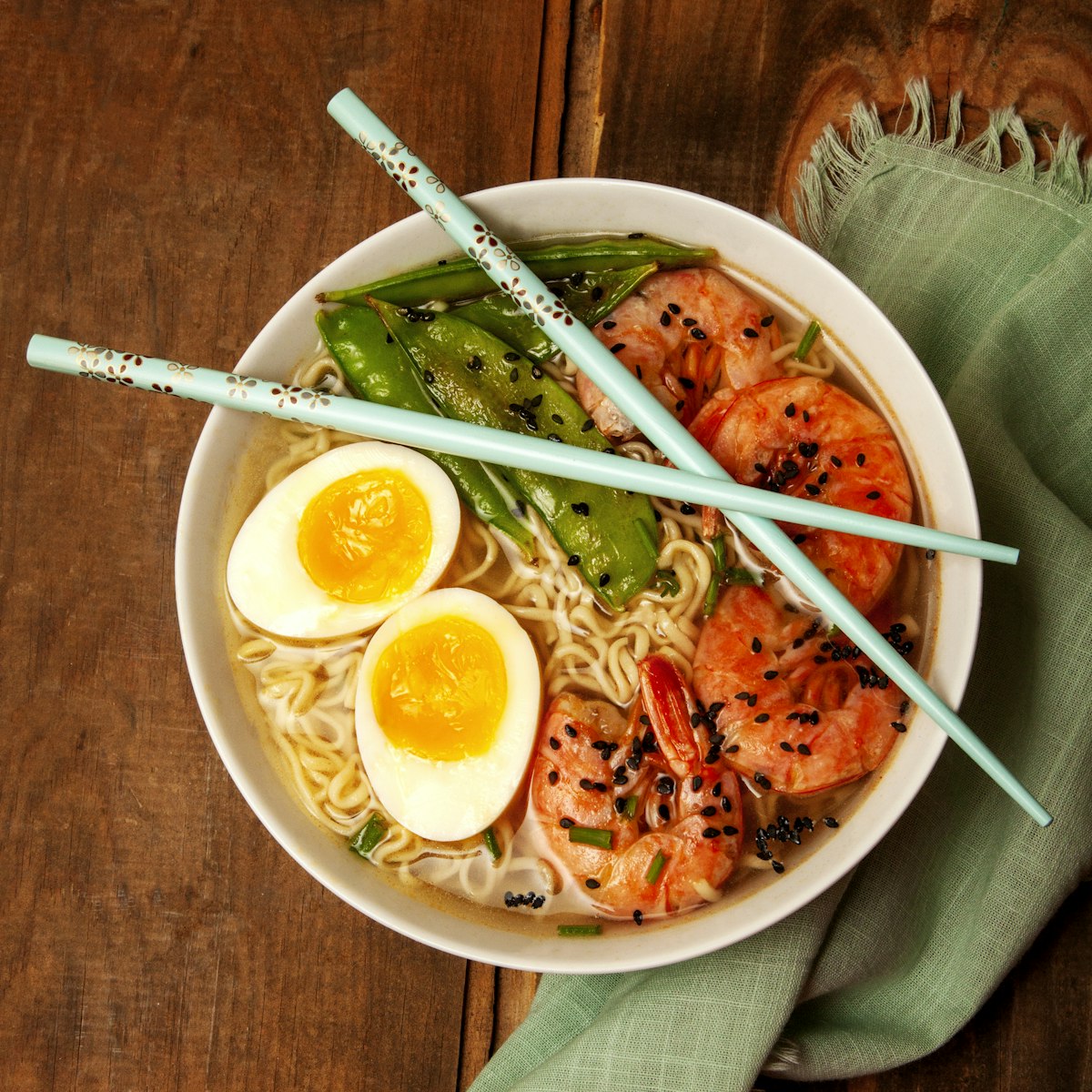
Tiong Bahru Market fills at noon with a particular density of hunger. Office workers in lanyards, elderly couples with their own tissue packets, delivery riders grabbing something quick between orders. I come here at least twice a week, usually alone, always with a book I pretend to read while mostly listening.
The hawker table is Singapore's accidental community centre. You sit where there is space. You nod when someone asks "can sit?" You shift your tray to make room. You do not introduce yourself. You may never see that person again. And yet for twenty minutes you share a table, a ceiling fan, and the ambient choreography of eating.
The grammar of sharing
There is an etiquette I learned by watching, not by being taught. Place your bag on the stool, not the table. Keep your elbows in. Do not stare at another person's plate, though you will notice what they ordered anyway. If you finish first, leave — the seat is the scarce resource, not your lingering.
I appreciate how minimal the social contract is. You are not expected to chat. Conversation happens sometimes: a comment about the queue, a recommendation for the chicken rice stall, a complaint about the heat. But silence is equally acceptable. Two strangers can eat inches apart without exchanging a word and both leave satisfied. In other cities, eating alone in public can feel like a statement. Here it feels like Tuesday.
A shared table asks for nothing except awareness. You belong for the length of a meal, then you release the seat for the next person.
What I order and why
I rotate between three stalls, not from boredom but from loyalty. The fish soup auntie who remembers I want extra lime. The prawn noodle uncle who shakes his head when I ask for less chilli — "you sure?" — and is usually right that I want the full heat. The vegetarian rice stall on the corner that runs out by one-thirty, which teaches urgency.
Ordering the same thing repeatedly is a form of belonging. The stall holder recognises you. The transaction shortens. You become part of the stall's rhythm rather than a visitor passing through. I did not expect to find home in repeated bowls of soup, but here we are.
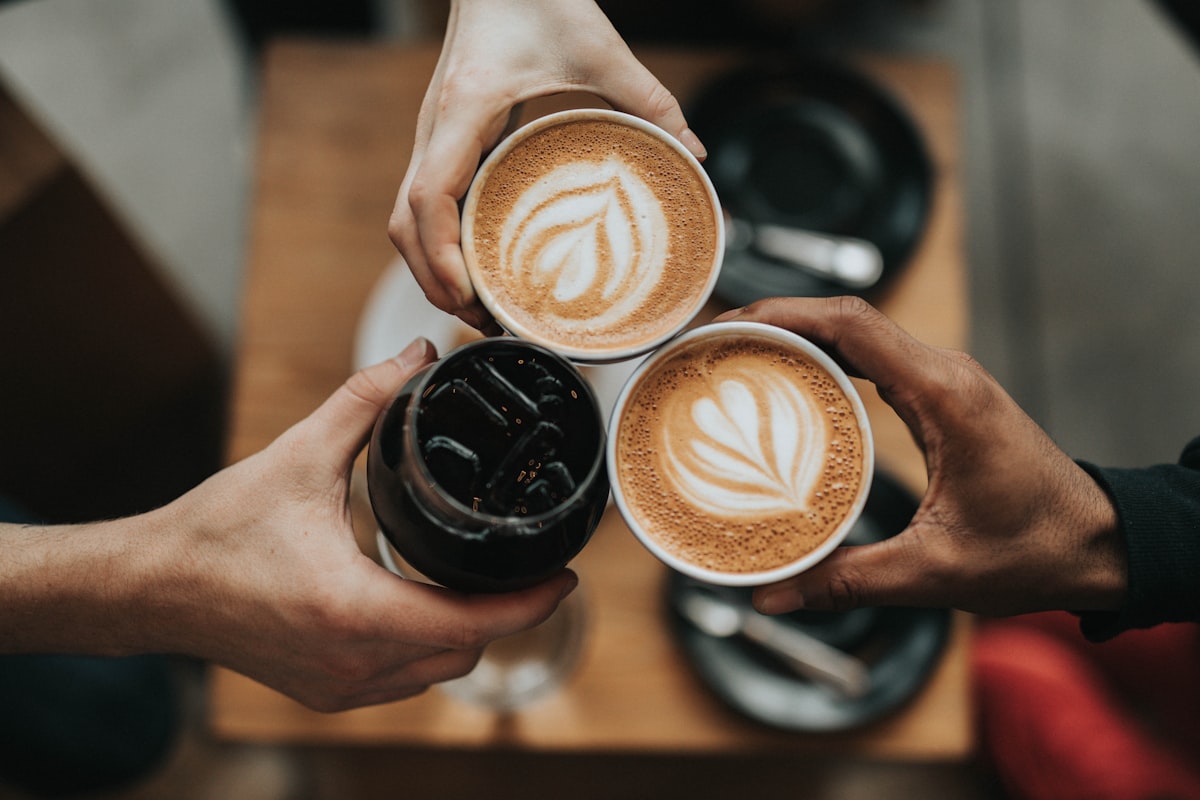
Eating alone, together
I have eaten alone at hawker centres for years. It was awkward at first — the self-consciousness of a single tray, the performance of being fine with solitude. Now I find it restorative. No one needs anything from me. I can eat at my pace, look up, look down, think about nothing useful.
There is also a low-grade solidarity in the room. Everyone is doing the same necessary thing. Feeding themselves in the middle of a working day. The mundanity is the comfort. No one is performing a special occasion. Plates clatter. Spoons scrape. Someone's phone plays a notification and is quickly silenced. The ceiling fans turn. Life continues at table height.
The city in a bowl
Hawker food is often described in superlatives: cheapest, best, most authentic. I avoid those frames. What I value is access. For the price of a modest meal you enter a room where every age and accent mixes. You see how the city feeds itself. You participate without planning to.
When friends visit from abroad I bring them here before any skyline view. The market tells the truth about daily life faster than any observation deck. People eating quickly, eating slowly, eating with children, eating after a hospital visit. Hunger makes democrats of us all.
I leave the market damp with humidity and full in the way that only a proper lunch satisfies. I return to my flat, wash my hands, and sit back at the desk. The morning pages are done. The midday meal is done. The afternoon can begin. Tomorrow I will probably sit at the same table, or one identical to it, and the city will feed me again without ceremony. That reliability feels like love.