Morning Pages Before the City Wakes
Three pages of longhand before the first MRT announcement. A ritual that has nothing to do with productivity and everything to do with arriving at the day on my own terms.
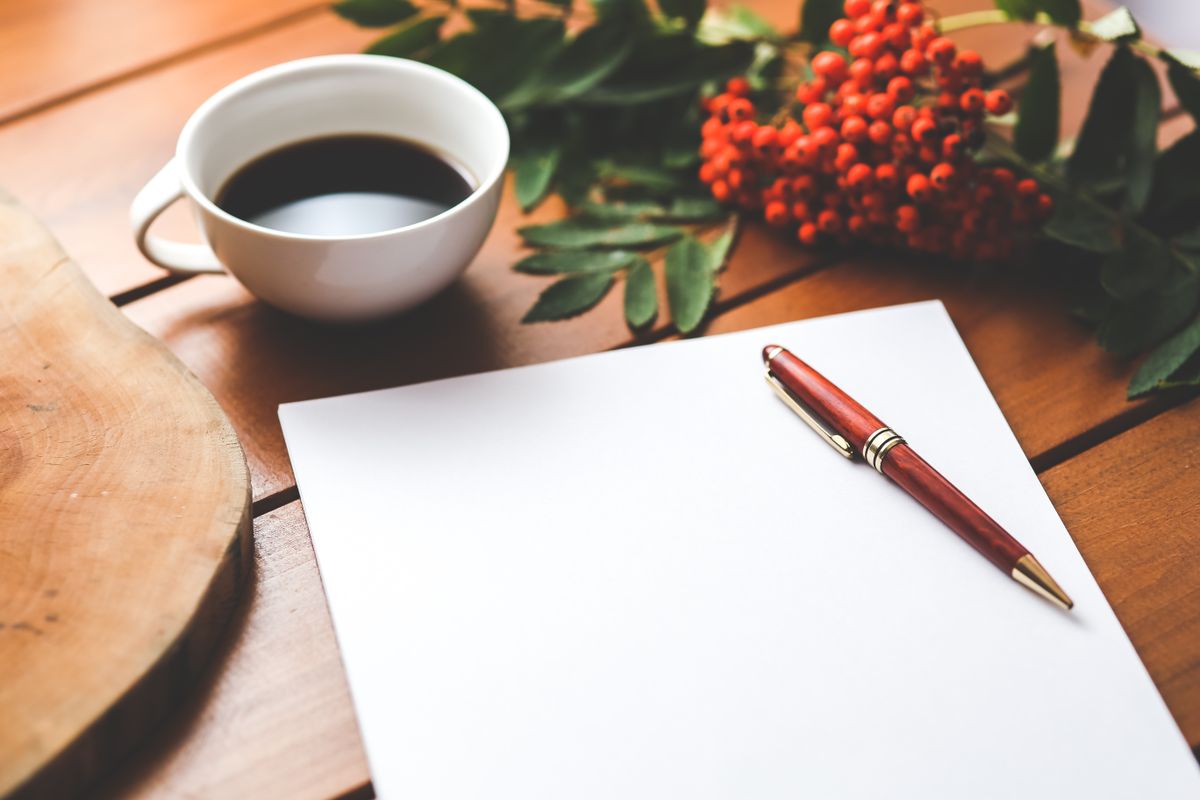
The notebook is nothing special. A5, cream paper, lines close enough that my handwriting shrinks when I am tired. I bought it at a stationery shop on Yong Siak Street because the cover felt right in my hands — not too slick, not too flimsy. It sits on the desk next to the window that faces east, where the light arrives first.
I write three pages every morning. The rule is simple: fill three pages without stopping to edit. If I have nothing to say, I write "I have nothing to say" until something else appears. Usually something else appears. A worry about an email I have been avoiding. A fragment of dream about a staircase. The sound of a mynah outside, insistent and unbothered by the hour.
Before the city wakes
At six-thirty, Tiong Bahru is still mostly quiet. The market below has not yet opened its shutters. A few early joggers pass on Seng Poh Road, feet soft on the pavement. From my desk I can hear the refrigerator cycling and the distant hum of an air-conditioning unit somewhere in the block. These are the sounds of a city between sleep and function.
I make coffee first — always before the pages, never during. The ritual order matters. Coffee means the day has a beginning I chose. The pages mean the beginning belongs to me before it belongs to anyone else. By the time I sit down with the pen, the cup is warm and the sky has shifted from grey-blue to something lighter.
People often ask whether morning pages make me more productive. I understand the question. We live in a culture that converts every habit into an outcome. But I do not write these pages to generate ideas for essays, though sometimes they do. I write them to clear the static. The mind overnight accumulates debris: half-formed anxieties, replayed conversations, lists that repeat themselves. The pages are a drain. What remains after three sheets is often quieter.
The pen does not judge. It only records. And in recording, it loosens what would otherwise tighten through the day.
Longhand in a digital flat
I work on a laptop like everyone else. My phone sits on the desk during the pages, face down, notifications silenced. There is a particular resistance in longhand that screens do not offer. I cannot Command-Z a sentence I regret. I cross it out and keep going. The crossed-out lines remain visible, which feels honest. Digital life encourages the illusion that mistakes can be erased without trace. Paper remembers.
My handwriting is not beautiful. It tilts when I am rushed and grows cramped near the bottom of page three, where I am always eager to finish. None of that matters. The pages are private. They will not be published or photographed for anyone's inspiration board. Keeping them private is part of the point. Not everything worth doing needs an audience.

What changes when you show up
I have been doing this for four years, with gaps. Travel disrupted the habit. Grief disrupted it. A period of depression made even three pages feel like a wall. I returned each time without punishing myself for stopping. The notebook does not keep score. It waits on the desk, indifferent and available.
On good days the pages are mundane: grocery lists, observations about the weather, a note to call my mother. On harder days they hold more — frustration with a friendship, fear about a medical appointment, anger I would rather not carry into the street. Writing it down does not solve these things. It gives them a container. I close the notebook and they stay between the covers instead of circulating all morning.
By seven-fifteen the city has woken. I hear the market shutters rising, metal on metal. A motorcycle idles in the carpark. Someone's radio plays a old song I almost recognise. I put the notebook in the drawer, wash the pen, and begin the part of the day that other people can see. The difference is subtle but real: I have already spoken to myself. I am less hungry for noise.
An invitation, not instruction
If you are curious about morning pages, you do not need my notebook or my schedule. You need paper, a pen, and ten minutes you protect from input. Start with one page if three feels impossible. Write badly on purpose. Do not read what you wrote for a week. See what accumulates.
This essay is not a tutorial. It is a record of what happens in my flat before the city fully arrives — the light, the coffee, the three pages that make the rest of the day feel less borrowed. Some mornings the pages are forgettable. Some mornings they save me. I keep showing up for both.